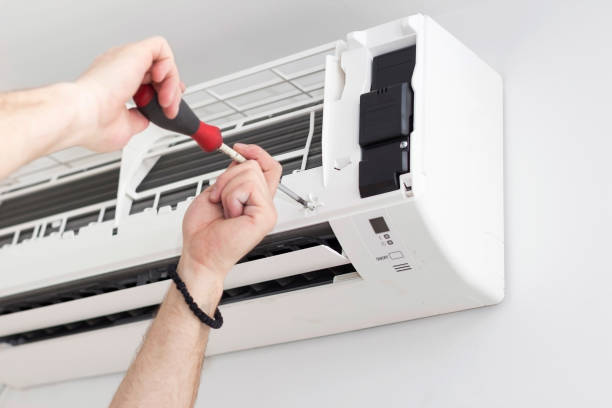
An efficiently functioning air conditioning (AC) system is critical for maintaining comfort in your home or workplace, especially during the warmer months. However, like any piece of machinery, your AC system may exhibit signs of wear and tear over time. Recognizing these signs early can help you avoid costly repairs or a complete system breakdown. Below are nine warning signs that indicate your air conditioner requires immediate professional attention.
1. Weak or Inconsistent Airflow
Weak airflow from your vents can be a sign of several issues, including clogged filters, duct obstructions, or failing compressors. If you notice a lack of cool air in certain areas of your home, it’s time to have a professional inspect the system.
2. Warm Air Instead of Cool
If your AC is blowing warm air instead of cool air, it may be due to low refrigerant levels, a malfunctioning compressor, or issues with the thermostat settings.
3. Frequent Cycling
While it’s normal for an AC unit to turn on and off periodically to maintain temperature levels, frequent cycling—turning on and off too often—could mean problems with the thermostat or electrical components.
4. Unpleasant Odors
Unusual smells emanating from your AC system may indicate mold growth inside the ducts or burnt wiring within the unit itself. A timely inspection can prevent further damage and eliminate potential health risks.
5. Strange Noises During Operation
Grinding, squealing, banging, or buzzing noises could point to loose components, motor issues, or debris lodged in your unit. Ignoring these sounds may lead to more extensive mechanical failures.
6. Rising Energy Bills Without Increased Usage
A sudden spike in energy bills without corresponding changes in how often you use your AC could signal reduced efficiency caused by dirty filters, duct leaks, or outdated equipment.
Potential Causes Contributing to Higher Energy Costs: | Cause | Impact | |—————————-|———————————————| | Dirty Air Filters | Restricts airflow; forces the system to work harder | | Refrigerant Leaks | Reduces cooling efficiency | | Malfunctioning Thermostat | Causes inconsistent cooling cycles |
7. Excess Humidity Indoors
Your AC not only cools but also dehumidifies indoor air. If you’re experiencing excessive humidity levels inside even when the unit is running, this suggests an issue with its dehumidification function or refrigerant levels.
8. Water Leaks Near Unit
Pooling water around your indoor unit is typically caused by clogged condensate drains or broken drain lines. Addressing leaks promptly prevents water damage and mold growth around HVAC components.
9. Old Age of Your System
Most air conditioning systems have a lifespan of around 10-15 years with proper maintenance. If yours is nearing this age range and frequently requires repairs, it may be time for an upgrade rather than continued service calls.
Signs Your AC May Be Aging Out: – Increasing frequency of breakdowns – Difficulty maintaining consistent temperatures – Noticeable decline in energy efficiency
By staying vigilant about these warning signs and addressing them promptly through professional service visits, you can extend the life span of your AC system while ensuring it operates at peak performance levels all year round.
How to Identify the Most Common Issues Indicating Your Air Conditioner Needs Orlando AC Service
Your air conditioning system is a vital part of maintaining comfort at home or in the workplace. Recognizing early signs of trouble can prevent costly repairs or unexpected breakdowns. Below, we’ll explore the most common issues that indicate your air conditioner may need professional attention, helping you maintain efficiency and prolong the unit’s lifespan.
1. Insufficient Cooling Performance
One of the primary signs of an issue is when your AC isn’t effectively cooling your space. If you notice warmer temperatures despite setting the thermostat correctly:
– Possible causes:
– Refrigerant leaks
– Blocked or dirty air filters
– Malfunctioning compressors
Neglecting this issue can overwork the system, leading to more significant failures.
2. Frequent Cycling On and Off
Short-cycling is another common problem where your AC turns on and off repeatedly within short intervals. This disrupts its ability to maintain consistent temperatures.
- Improper thermostat settings or placement near heat sources
- Electrical issues in the unit’s control board
- Oversized or undersized systems for your space
This problem should be inspected promptly to avoid energy waste and system wear-and-tear.
3. Reduced Airflow from Vents
| Problem | Possible Solution |
| Clogged filters | Replace or clean air filters |
| Broken blower motor | Repair or replace motor components |
| Ductwork blockage | Clean and inspect ducts |
Ignoring restricted airflow can lead to uneven cooling and reduced energy efficiency.
4. Unusual Noises from Your AC System
- It could signal loose parts like belts or screws.
- The compressor may be malfunctioning.
- Fan blades might be obstructed by debris.
Unaddressed mechanical noises often result in expensive repairs if left unresolved.
5. Leaks Around the Unit
Moisture buildup around an air conditioning unit is never a good sign: – If it’s water, the condensate drain line might be clogged. – If it’s refrigerant leaking, this requires immediate professional service as refrigerants are hazardous.
Leaks not only harm cooling performance but also pose safety risks over time.
Why Professional Attention Matters
While some minor maintenance tasks like filter cleaning can be handled at home, most AC issues require expert intervention due to their complexity: – Technicians have specialized diagnostic tools for pinpointing problems. – They ensure safety protocols are followed when handling refrigerants or repairing electrical components.
Addressing these issues promptly ensures optimal performance, lowers energy costs, and extends equipment life while preventing breakdowns during peak seasons.
Understanding Why Air Conditioning Replacement Is Crucial for Optimal Cooling Efficiency
Air conditioning systems are vital in maintaining comfort and regulating indoor climate, especially during warmer seasons. However, like any other mechanical system, air conditioners have a limited lifespan and will eventually require replacement to ensure optimal performance. Here’s why replacing an aging or inefficient air conditioning unit is essential for maintaining cooling efficiency.
Improved Energy Efficiency
Older air conditioning systems tend to consume more energy due to outdated technology and wear on components. Replacing your unit with a modern, high-efficiency model can significantly reduce energy consumption.
Benefits of upgrading to an energy-efficient model include:
– Lower utility bills: Modern units often feature higher SEER (Seasonal Energy Efficiency Ratio) ratings, which translate to reduced power usage.
– Eco-friendly operation: New systems rely on environmentally friendly refrigerants and advanced compressors, minimizing their environmental impact.
– Enhanced performance: Advanced technology in new systems provides consistent cooling while using less energy.

Reduced Repair Costs
As air conditioners age, they often require more frequent repairs due to component failures or inefficiencies. While maintenance can extend the life of your current unit, there comes a point where the cost of repairs outweighs the benefits of keeping an old system running.
Signs repair costs may justify replacement:
– Frequent breakdowns within short timeframes.
– Expensive repair estimates that exceed 50% of the system’s value.
– Difficulty sourcing parts for older models due to obsolescence.
Replacing an unreliable AC system eliminates recurring repair expenses and provides peace of mind.
Enhanced Indoor Comfort
Aging air conditioning units might struggle to maintain consistent temperatures or adequately dehumidify the air. Replacement systems are designed with technological advancements that enhance overall indoor comfort.
Key features in newer models include:
1. Variable-speed compressors for precise temperature control. 2. Smart thermostats for better customization. 3. Improved airflow designs that prevent hot or cold spots throughout your home.
These improvements lead to more stable indoor temperatures and better humidity control, ensuring year-round comfort.
Long-Term Savings
| Cost Factor | Old Unit | New Unit |
| Energy Consumption | Higher utility bills | Lower monthly costs |
| Maintenance Expenses | Frequent repairs needed | Minimal routine maintenance |
| Lifespan | Shorter remaining operational life | Longer lifespan (10–15+ years) |
By upgrading your AC system now, you avoid compounding inefficiencies while preparing your home for years of reliable service.
Compliance with Current Standards
Modern HVAC systems must meet updated environmental regulations that promote efficiency and sustainability. Older units relying on phased-out refrigerants like R-22 may become non-compliant or expensive to maintain due to limited availability of such chemicals. Opting for a new unit ensures compliance with industry standards while reducing your carbon footprint.
Replacing your air conditioner when necessary is not just about avoiding inconvenience; it’s about making a proactive decision that improves energy efficiency, reduces costs over time, enhances comfort levels, and aligns with modern environmental standards—all contributing factors toward optimal cooling efficiency.
The Impact of Weak or Warm Airflow and How It Signals the Need for AC Service
Weak or warm airflow is one of the most common indicators that your air conditioning system requires professional service. When your AC unit fails to circulate cool, strong air as expected, it can compromise indoor comfort and signal underlying problems that, if unaddressed, may lead to more extensive repairs or system failure.
Common Causes of Weak or Warm Airflow
- Clogged Air Filters: Dirty air filters restrict airflow, making it difficult for cool air to circulate through your home effectively. Over time, clogged filters can worsen efficiency and strain the system.
- Refrigerant Issues: A refrigerant leak or insufficient refrigerant levels can severely impact cooling performance. The lack of proper refrigerant prevents the system from generating cold air efficiently.
- Damaged Ductwork: Leaky or damaged ductwork allows conditioned air to escape before it reaches its destination. This leads to uneven cooling and compromises overall airflow.
- Fan Problems: A malfunctioning blower fan may not push enough air through the ducts, resulting in weak airflow from vents.
- Blocked Condenser Unit: Dust, dirt, or debris accumulating around the outdoor condenser unit can obstruct airflow and reduce cooling efficiency.
Warning Signs Associated with Weak Airflow
- Hot spots across certain rooms in your home despite running the AC.
- Longer operating cycles where it takes significantly more time to cool your space.
- An unusual spike in energy bills without corresponding changes in usage.
If you observe one or more of these issues alongside poor airflow, scheduling an AC service appointment promptly is essential.
Steps You Can Take Before Calling a Professional
- Inspect and replace air filters if needed (recommended every 1–3 months).
- Ensure vents and registers are not blocked by furniture or curtains.
- Check that your thermostat settings are correct (e.g., set to “cool” mode).
If these measures don’t resolve the issue, professional diagnostics and repair will likely be required.
Benefits of Addressing Weak Airflow Promptly
| Benefit | Description |
| Improved Cooling Efficiency | Fixing performance issues ensures optimal temperature control throughout your home. |
| Lower Energy Bills | Restoring proper functionality reduces energy consumption by preventing overworked systems. |
| Extended System Lifespan | Routine maintenance prevents small issues from escalating into major component failures. |
Addressing weak airflow as soon as possible not only restores indoor comfort but also protects your system from unnecessary wear and tear.
Maintaining regular AC tune-ups is key to avoiding common problems like weak or warm airflow altogether. If persistent issues arise despite preventive efforts, consult a licensed HVAC technician immediately for expert assistance tailored to your specific needs.
Diagnosing Unusual AC Issues: Insights from an HVAC Company Orlando, FL
Keeping your air conditioning system in optimal condition is essential for maintaining a comfortable indoor environment. However, unusual noises or strange odors emanating from your air conditioner may indicate underlying problems that require immediate attention. Ignoring these warning signs could lead to more significant issues down the line, including reduced efficiency or complete system breakdown. Below, we explore what these signs mean and how they can impact your AC unit’s health.
Types of Unusual Noises and What They Indicate
- Banging or Clanging: This may suggest a loose or broken part, such as a fan blade or compressor component, moving around inside the unit.
- Hissing: A hissing sound often points to a refrigerant leak, which can reduce the cooling efficiency and potentially harm the environment.
- Buzzing: Electrical issues like faulty wiring or malfunctioning components may cause this noise.
- Clicking: Repeated clicking might indicate a failing thermostat or electrical problem during the start-up process.
- Squealing or Screeching: Worn-out belts or bearings in the motor often trigger this high-pitched sound.
If you hear any of these noises, it is advisable to turn off the unit immediately and contact an HVAC professional for diagnostics and repair.
Strange Odors: Causes and Implications
- Likely Cause: Mold or mildew growth in the ductwork, evaporator coils, or drain pan due to excessive moisture buildup.
- Impact: Poor indoor air quality (IAQ) leading to potential respiratory issues if left unaddressed.
- Likely Cause: Overheated wiring, motor issues, or burned-out components inside the AC unit.
- Impact: A potential fire hazard that necessitates immediate attention from a certified technician.
- Likely Cause: Dead animals within ductwork or refrigerant leaks (if sulfur-based additives are used).
- Impact: Unpleasant odors that compromise home comfort; possible health risks if refrigerant leaks are involved.
- Likely Cause: Refrigerant leaks from damaged coils or connections.
- Impact: Diminished cooling performance along with potential environmental concerns.
Why You Shouldn’t Ignore These Signs
| Warning Sign | Potential Consequences |
| Unusual Noises | Increased wear & tear on components; reduced efficiency |
| Musty Odors | Mold/mildew growth; poor indoor air quality |
| Burning Smells | Fire hazards; costly repairs/replacement of damaged parts |
| Chemical/Odd Smells | Refrigerant loss; environmental impact |
By resolving these issues early, you can improve energy efficiency, extend system lifespan, and maintain healthier indoor air quality.

Steps You Can Take
If you notice any unusual noises or odors coming from your AC unit: 1. Turn off the system immediately to prevent further damage. 2. Schedule an inspection with a licensed HVAC technician. 3. Regularly maintain your system by cleaning filters, checking ducts for debris buildup, and scheduling seasonal maintenance services.
Proactive care ensures minor problems don’t escalate into major repairs that disrupt comfort while increasing costs unnecessarily. Proper diagnosis by an expert plays a critical role in restoring your AC’s functionality efficiently without compromising safety standards.
How Orlando AC Repair Can Solve Rising Energy Bills Without Increased Usage
An unexpected surge in your energy bills, especially when your usage habits remain the same, is one of the clearest signs that your air conditioning system is not functioning efficiently. While occasional fluctuations in utility costs are normal, a consistent and unexplained increase can signal problems within your AC system. Let’s explore why this happens and what you can do about it.
Common Causes Behind Increased Energy Bills
- When filters are clogged with dirt and debris, your AC has to work harder to push air through. This added strain increases energy consumption.
- Solution: Replace or clean air filters every 1–3 months, depending on usage and environmental factors like pets or dust levels.
- Low refrigerant levels or leaks reduce your system’s ability to cool effectively, forcing it to run longer cycles and consume more energy.
- Solution: A licensed HVAC technician can identify and fix leaks before recharging the refrigerant.
- An inaccurate thermostat may cause the system to run more frequently than needed, driving up energy usage unnecessarily.
- Solution: Calibrate or replace faulty thermostats for better efficiency.
- Over time, wear and tear on parts such as compressors or fans can reduce efficiency, leading to increased power consumption.
- Solution: Regular maintenance checks ensure that components are in good working condition.
- Leaky ducts allow cooled air to escape into unconditioned spaces (like attics or walls), making it harder for the unit to maintain desired temperatures.
- Solution: Sealing ducts prevents cooled air loss and improves overall efficiency.
How an Inefficient AC System Impacts Costs
| Problem Area | Potential Cost Increase (%) | Repair/Maintenance Recommendation |
| Dirty Air Filters | 5-15% | Replace/clean every 1–3 months |
| Refrigerant Issues | 10-20% | Inspect system yearly for leaks |
| Faulty Thermostats | ~10% | Upgrade to programmable/smart thermostats |
| Aging Components | Varies | Replace old systems after ~10–15 years |
| Ductwork Leaks | Up to 30% | Invest in professional duct inspections |
Steps You Can Take
- Schedule annual maintenance services with a certified HVAC professional to prevent minor issues from escalating into major problems.
- Monitor your monthly energy usage using tools provided by your utility company; compare current bills with historical trends.
- Invest in an energy-efficient model if repair costs start outweighing operational benefits of older systems.
Recognizing rising energy bills as a warning sign allows you to take timely action before costs spiral out of control. By addressing these underlying causes promptly, you’ll not only improve cooling efficiency but also extend the lifespan of your air conditioning system while lowering utility expenses over time.
When Should You Call a Professional for Expert Air Conditioning Repairs or Replacement?
Maintaining the efficiency of your air conditioning system is crucial, especially during peak usage periods. While routine maintenance can prevent many issues, there are times when professional intervention becomes essential. But how do you know when to call an expert? Here are some key indicators that point toward the need for professional AC repairs or even replacement.
1. Persistent Inefficiency
- Clogged air filters
- Refrigerant leaks
- Malfunctioning components like compressors or capacitors
A technician can pinpoint the underlying problem and restore optimal performance.
2. Frequent Repairs
Are you repeatedly calling for minor fixes? If repair costs are adding up significantly over time, replacing the unit might be a more cost-effective option. Older systems often require frequent attention due to wear and tear on critical components.
| Factors | Repair | Replacement |
| Age of Unit | Less than 8 years old | 10+ years old |
| Repair Cost | Less than 30% of unit’s value | More than 50% of unit’s value |
| Energy Efficiency | Still relatively efficient | Significant drop in efficiency |
3. Unusual Noises or Smells
- Loose internal parts
- Mold growth in ducts
- Electrical issues
These signs should never be ignored as ignoring them could lead to complete system failure.
4. Escalating Utility Bills
A sudden spike in your energy bills without any significant change in usage patterns is often linked to an inefficient air conditioner. Professionals can determine whether cleaning, sealing ductwork leaks, or upgrading to an energy-efficient model is necessary.
5. Outdated Technology and Features
If your AC system lacks modern features such as programmable thermostats, variable-speed motors, or smart connectivity options, it may be worth considering an upgrade. Newer models offer enhanced cooling performance while using significantly less energy.
When Replacement Becomes Inevitable
Even the best-maintained systems eventually reach the end of their functional lifespan (typically around 10–15 years). If repair costs exceed half the price of a new unit or if outdated systems fail to meet current energy efficiency standards, professional replacement may be the logical choice.
To ensure long-term savings and comfort: – Consult with an HVAC specialist. – Compare SEER (Seasonal Energy Efficiency Ratio) ratings for different models. – Invest in brands offering reliable warranties and after-sales support.
Calling a qualified HVAC technician at the right time not only restores comfort but also prevents further damage to your system and minimizes unexpected expenses down the line. Proactive decision-making about repairs or replacements ensures that your home remains cool and energy-efficient throughout all seasons.
- Finding the Best Orlando AC Repair Service for Your Needs
- Understanding the Importance of Orlando AC Service for Home Comfort and Efficiency
- The Most Common AC Problems and How Orlando AC Service Professionals Can Help
- Nine Warning Signs You Need Immediate Orlando FL Air Conditioning Repair
- Daily Tasks of HVAC Technicians at a Leading HVAC Company Orlando, FL
- Identifying When to Call an HVAC Company Orlando, FL for Air Conditioning Repairs
- Finding the Best HVAC Company Orlando, FL for Immediate Air Conditioning Replacement
- Top Signs You Need Orlando FL Air Conditioning Repair Immediately
- Your Essential Guide to Orlando AC Service: How Often Should You Schedule Replacement