
Regular HVAC replacement plays a critical role in maintaining home comfort and energy efficiency. Heating, ventilation, and air conditioning systems are integral to creating a comfortable living environment. Over time, however, these systems become less effective due to wear and tear, outdated technology, or inefficiencies. Proactively replacing an aging system can save homeowners money in the long run while ensuring their home remains a haven of comfort.
Enhancing Energy Efficiency
- Lower utility bills: Newer systems consume less energy to deliver the same (or better) cooling and heating performance.
- Reduced environmental impact: Energy-efficient systems often comply with eco-friendly standards like ENERGY STAR certification.
- Improved performance: State-of-the-art technologies enable better temperature regulation throughout the home.
| Feature | Older Systems | Modern Systems |
| Energy Consumption | High | Reduced |
| Technology | Outdated | Advanced (smart thermostats) |
| Maintenance Needs | Frequent | Reduced |
| Environmental Impact | Higher | Lower |
Extending System Lifespan with Timely Replacements
- Fewer costly repairs: A newer system is less likely to experience constant failures.
- Consistent comfort levels: An upgraded system maintains optimal indoor temperatures throughout different seasons.
- Peace of mind: Avoiding emergency replacements during extreme weather conditions reduces stress.
When Should You Consider Replacing Your HVAC System?
- If your unit is over 10–15 years old, it may be time for an upgrade.
- Repair costs adding up to more than 50% of the cost of a replacement indicate it’s better to invest in a new unit.
- Strange sounds or smells from your HVAC may signify mechanical failure or air quality issues.
- Difficulty maintaining consistent indoor temperatures suggests inefficiency or potential malfunction.
- A sudden spike in energy usage could mean your unit is working harder than necessary due to age or faults.
Conclusion
Ensuring regular HVAC replacement isn’t just about avoiding breakdowns—it’s about investing in long-term comfort, energy savings, and peace of mind. Upgrading your system on time allows you to enjoy enhanced performance while also reducing environmental strain through improved efficiency standards.
How to Choose the Best HVAC Company Orlando, FL for Air Conditioning Repairs or Replacements
Properly maintaining and monitoring your air conditioning (AC) system can significantly impact its performance, lifespan, and energy efficiency. However, there comes a time when repairs may no longer suffice, and a replacement becomes necessary. Knowing when to repair or replace your AC system can save you time, money, and discomfort during peak seasons. Below are the crucial signs that indicate repair or replacement may be needed.
How to Tell When You Need Orlando AC Repair
- Inconsistent Cooling
If some rooms in your home are too warm while others remain too cold, this could indicate issues such as blocked vents, thermostat malfunctions, or failing components. - Weak Airflow
Limited airflow from vents suggests clogged filters, damaged ducts, or failing fans. A professional inspection can pinpoint the cause of airflow problems. - Unusual Noises
Grinding, banging, or screeching sounds from your AC unit often signal loose parts or mechanical wear that requires immediate attention. - Higher Energy Bills
A sudden spike in energy bills without increased usage might mean your AC is working inefficiently due to worn-out components. Repairing these components can restore efficiency.
When Orlando FL Air Conditioning Repair Is the Best Solution Instead of Replacement
- Age of the System
Most air conditioners last between 10–15 years with proper maintenance. If your system is nearing the end of its expected lifespan and requires frequent repairs, investing in a new unit may provide better reliability and energy savings. - Frequent Breakdowns
Constant repairs not only become expensive but also diminish comfort during hot seasons. An AC system requiring multiple fixes within a short timeframe likely indicates a replacement is overdue. - Use of R-22 Refrigerant
Older systems that rely on R-22 refrigerant face obsolescence due to environmental regulations phasing out this harmful substance. Upgrading to a modern unit with environmentally-friendly refrigerants ensures compliance while improving efficiency. - Poor Energy Efficiency Ratings
Older units generally have lower Seasonal Energy Efficiency Ratio (SEER) ratings compared to newer models designed for optimal energy savings. Replacing an outdated system with one rated at least SEER 14 (or higher) can reduce operating costs significantly.
Cost Comparison: Repair vs Replacement
| Factor | Repair Costs ($) | Replacement Costs ($) | Considerations |
| Initial Expense | Low | High | Repairs cost less upfront but may add up over time if frequent issues persist |
| Long-Term Savings | Minimal | High | A new unit offers better efficiency and fewer breakdowns |
| Energy Efficiency | Moderate | High | New systems consume less power and reduce utility bills |
| Environmental Impact | Variable | Low | Many newer systems use eco-friendly refrigerants |
Benefits of Acting Promptly
- Improved indoor air quality by addressing old filters and worn-out systems.
- Enhanced overall durability by upgrading outdated technology.
- Lower monthly utility bills through improved energy efficiency.
For homeowners unsure about their next step, consulting a professional technician for an evaluation will help determine whether repairs suffice or if upgrading to a modern system will deliver better value over time.
Recognizing When Your Air Conditioning System Requires Repair or Replacement
An air conditioning system plays a crucial role in maintaining indoor comfort, particularly during warmer months. However, like any mechanical system, it can develop issues over time due to wear and tear. Identifying when your AC requires repair or complete replacement is essential to avoid discomfort and costly breakdowns. Here’s a guide to help you recognize the signs that your air conditioning system may need attention.
Key Signs Your AC System May Need Repairs
- Inadequate Cooling Performance: If your AC no longer cools your home effectively or struggles to maintain consistent temperatures, it could indicate issues such as refrigerant leaks, clogged filters, or failing components.
- Unusual Noises: Banging, clanking, hissing, or squealing sounds coming from the unit may signal loose parts, damaged fan motors, or compressor problems.
- Frequent Cycling: When the system turns on and off frequently without completing proper cooling cycles, it may suggest thermostat malfunctions or electrical issues.
- Excess Humidity Levels: An air conditioner should regulate indoor humidity. If the air feels excessively sticky despite the system running, there might be an issue with its dehumidification function.
When Is AC Replacement More Cost-Effective?
| Factor | Signs It’s Time for Replacement |
| Age of System | Most systems last 10–15 years; older systems are less efficient. |
| Rising Costs | Frequent repairs and high energy bills outweigh replacement costs. |
| Outdated Tech | Older units lack advanced energy-efficient features of newer models. |
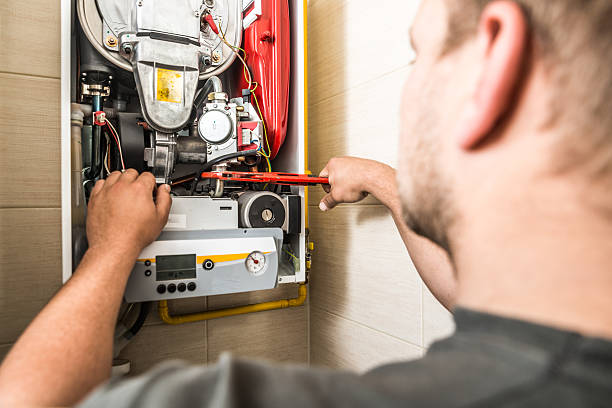
Energy Efficiency Concerns
The efficiency of an air conditioning system directly impacts energy consumption and operating costs. Older units typically have lower SEER (Seasonal Energy Efficiency Ratio) ratings compared to modern systems designed with energy-saving technology.
Benefits of an Upgrade:
- Improved cooling performance
- Reduced utility bills through better efficiency
- Enhanced lifespan with fewer repairs over time
Consulting Professionals for Accurate Assessment
Determining whether to repair or replace an AC unit requires expertise. Professional technicians can evaluate your system’s condition and provide recommendations tailored to your needs.
Look for licensed HVAC service providers who offer: 1. Comprehensive diagnostic services 2. Transparent pricing for both repairs and replacements 3. Expertise in recommending energy-efficient systems suitable for your home size
Proactively monitoring these signs ensures optimal performance while avoiding unexpected breakdowns during peak summer months.
Comprehensive Guide to Choosing the Right AC Service for Your Needs
Selecting the right air conditioning (AC) service provider is an essential step in ensuring optimal performance, energy efficiency, and longevity for your system. With numerous options available, understanding the key factors to consider will help you make an informed decision that caters to your specific needs. Here’s a comprehensive guide to help you navigate the process.
Determine Your Specific AC Service Needs
Before diving into potential service providers, it’s important to identify what you need from an AC service. This will streamline the selection process and ensure you find a provider equipped to handle your requirements.
- Routine Maintenance: If your system requires routine tune-ups or seasonal maintenance.
- Repairs: For systems experiencing performance issues or breakdowns.
- Replacement or Installation: When upgrading to a new system or installing one in a newly built property.
- Energy Efficiency Improvements: Optimizing your system for lower energy costs.
By clarifying these needs upfront, you can focus on companies that specialize in those areas.
Key Factors to Evaluate When Choosing an AC Service Provider
- Look for technicians with proper certifications such as NATE (North American Technician Excellence).
- Ensure the company has extensive experience in handling your specific type of HVAC system.
- Verify that the company holds valid licenses required by local regulations.
- Ensure they carry liability insurance for protection against damages during service.
- Check online reviews on platforms like Google, Yelp, or Angi.
- Seek recommendations from friends or family who have used their services.
- Request written estimates with clear breakdowns of labor and material costs.
- Avoid companies that provide vague pricing details upfront.
- Look for providers offering maintenance agreements for ongoing care post-service.
- Confirm warranty options for parts and labor.
- Ensure they offer 24/7 emergency services for unexpected breakdowns during peak seasons.
Questions to Ask Before Hiring
- Are your technicians certified and experienced with my type of AC system?
- Do you provide written estimates before starting work?
- What is included in your standard maintenance plan?
- Can you provide references from previous customers?
Posing these inquiries helps build trust while highlighting any red flags early on.
Comparing Multiple Service Providers with a Table
| Criteria | Provider A | Provider B | Provider C |
| NATE-Certified Technicians | ✅ | ✅ | ❌ |
| Transparent Pricing | ✅ | ❌ | ✅ |
| Emergency Services | ✅ | ✅ | ❌ |
| Customer Ratings | ★★★★★ | ★★★★☆ | ★★★☆☆ |
This approach provides clarity when assessing multiple options side by side.
Final Thoughts on Choosing the Right Service
Selecting the best AC service provider involves research, comparison, and understanding what matters most for your specific situation. By focusing on aspects such as expertise, transparency, reputation, and customer support offerings, you’ll be better equipped to make a decision that ensures long-term efficiency and comfort in maintaining or upgrading your air conditioning system.
The Role of Expert Technicians in Delivering High-Quality AC Services
When it comes to maintaining or replacing your air conditioning system, the expertise of the technician plays a significant role in ensuring quality service. Professional technicians bring a wealth of knowledge, experience, and tools that can make a measurable difference in the performance and longevity of your AC unit. Here’s an overview of why expert technicians are vital to achieving an efficient and reliable air conditioning system.
Extensive Training and Certification
- Understanding various AC models and their components
- Diagnosing mechanical or electrical issues
- Proper installation techniques
- Refrigerant handling (EPA certification is often required)
- Advanced troubleshooting methods
Because they are certified, you can trust that they adhere to industry standards and best practices.
Accurate Diagnostics
| Tool/Equipment | Purpose |
| Multimeters | Test electrical connections |
| Refrigerant gauges | Measure refrigerant pressure |
| Thermal imaging cameras | Detect heat loss or blockages |
These tools ensure that no problem goes unnoticed, reducing the risk of further damage or inefficient performance.
Proper Maintenance Practices
- Cleaning evaporator and condenser coils for improved efficiency
- Inspecting ductwork for leaks or blockages
- Lubricating moving parts to reduce wear and tear
- Checking refrigerant levels for optimal cooling performance
- Calibrating thermostats for accurate temperature control
These preventative measures not only enhance your system’s lifespan but also optimize energy efficiency.
Efficient Repairs with Quality Parts
When repairs are necessary, experienced technicians ensure high-quality workmanship by using manufacturer-approved parts. They follow precise protocols when replacing components like compressors, capacitors, or fan motors to restore functionality without compromising safety or efficiency.
Expertise in System Upgrades
- Home size and cooling needs
- SEER (Seasonal Energy Efficiency Ratio) ratings
- Compatibility with existing ductwork
This ensures you invest in a system tailored to your specific requirements.
Why Choose Professionals?
Attempting DIY repairs or hiring unqualified individuals may lead to improper installations or further complications. Partnering with expert HVAC technicians not only saves time but also ensures peace of mind knowing that your AC system is in capable hands.
Ultimately, professional HVAC technicians play an indispensable role in delivering high-quality services that improve comfort, efficiency, and reliability throughout the lifespan of your air conditioner.

Top Signs It’s Time to Replace Your HVAC System for Optimal Comfort
Your HVAC system plays a critical role in maintaining comfort and energy efficiency within your home. However, like any mechanical system, it has a finite lifespan. Knowing when to replace your HVAC system can save you from escalating repair costs, inefficient energy consumption, and uncomfortable living conditions. Below are the top signs indicating it’s time to consider replacing your HVAC system.
1. Rising Energy Bills
One of the clearest indicators that your HVAC system is no longer operating efficiently is a noticeable increase in energy bills. As systems age, components wear out and become less effective at heating or cooling your home. If you’ve ruled out other factors such as weather changes or increased energy rates, it may be time to replace your unit with a more efficient model.
| Feature | Older Systems | Newer Systems |
| Energy Efficiency | Lower SEER ratings (10-13) | Higher SEER ratings (14-20+) |
| Operational Costs | Higher due to inefficiency | Lower due to advanced technology |
| Environmental Impact | Higher emissions | Eco-friendly designs |
2. Frequent Repairs
Are you calling for repairs more often than usual? Repeated breakdowns can indicate that your HVAC system is nearing the end of its life cycle. While occasional repairs are normal, consistent issues—such as refrigerant leaks, fan malfunctions, or thermostat problems—signal that investing in a new system might be more cost-effective.
Key Questions to Ask:
- Are repair costs approaching half the price of a new unit?
- Have technicians pointed out recurring issues that cannot be fully resolved?
3. Uneven Temperatures Throughout Your Home
If certain rooms in your home feel significantly warmer or cooler than others despite thermostat adjustments, this could indicate an aging or failing HVAC unit. Uneven temperatures may result from deteriorating ductwork or an underperforming system struggling to maintain consistent airflow.
4. System Age Exceeding 10-15 Years
Most HVAC units have an average lifespan of 10–15 years with proper maintenance. After this period, their efficiency tends to decline rapidly due to wear and tear on components such as compressors and heat exchangers.
Tip: Look for modern ENERGY STAR-certified systems designed for higher performance and lower energy consumption compared to older models.
5. Excessive Noise Levels
Unusual noises like grinding, squealing, or banging during operation often signal serious internal problems such as failing motors or loose parts within the unit. While some issues can be repaired if caught early, consistent noise could point toward systemic failure requiring replacement.
6. Poor Indoor Air Quality
A failing HVAC unit can struggle with air filtration and humidity control, leading to poor indoor air quality (IAQ). Common symptoms include increased dust levels, musty odors, or worsened allergy symptoms among household members.
Ways Modern Systems Improve IAQ:
- Advanced filtration systems remove allergens and pollutants.
- Enhanced humidity control capabilities improve comfort.
- Ventilation features introduce fresh air into enclosed spaces effectively.
Being proactive about replacing an outdated HVAC system ensures optimal comfort while reducing overall operational costs over time. By recognizing these signs early on and consulting with professional technicians for guidance tailored to your needs, you’ll achieve not only enhanced indoor climate control but also long-term financial savings through improved efficiency standards offered by modern equipment designs.
Understanding the Benefits of Timely Air Conditioner Replacement Services
Timely air conditioner replacement can significantly enhance comfort, improve energy efficiency, and prevent potential breakdowns in your home or business. Knowing when to replace your AC system ensures you enjoy optimal cooling performance while avoiding costly repairs or skyrocketing energy bills. Below, we delve into the key benefits of replacing your air conditioner at the right time.
Improved Energy Efficiency
Older air conditioners tend to consume more electricity as their components wear down over time. By replacing your outdated unit with a modern, energy-efficient model, you can reduce energy consumption and lower utility bills.
- SEER Ratings: Newer models often come with higher Seasonal Energy Efficiency Ratio (SEER) ratings, which indicate better performance.
- Eco-Friendly Options: Many modern systems utilize environmentally friendly refrigerants like R-410A instead of harmful R-22.
| Feature | Older Units | Newer Units |
| SEER Rating | 10 or below | 14–22 (or higher) |
| Refrigerant Type | R-22 (phased out) | R-410A (environmentally safer) |
| Energy Consumption | High | Lower |
Enhanced Indoor Comfort
Aging AC units often struggle to maintain consistent cooling, leading to uneven temperatures and discomfort. New systems come equipped with advanced features that enhance indoor comfort.
- Better Airflow: Improved fan systems distribute air more evenly throughout the space.
- Humidity Control: Modern units regulate moisture levels for a healthier indoor environment.
- Quieter Operation: Technological advancements have made newer systems quieter during operation.
Reduced Repair Costs
Frequent repairs on an aging air conditioning unit can quickly add up. Timely replacement eliminates the need for repeated fixes and the associated expenses.
- If your AC repair costs exceed 50% of its value, it’s likely time for a replacement.
- Replacing an old system reduces the risk of sudden breakdowns during peak summer months when AC services are in high demand.
Environmental Benefits
- Consuming less energy overall.
- Using eco-friendly refrigerants that comply with modern environmental regulations.
- Reducing carbon emissions through improved operational efficiency.
Long-Term Financial Savings
- Modern systems last longer (typically 15–20 years with proper care).
- Many manufacturers offer warranties that cover parts and labor for several years.
These savings become even more apparent when combined with rebates or tax credits available for energy-efficient appliances.
Replacing an aging air conditioner at the right time is not just about maintaining comfort but also about making a smart investment in your property’s future efficiency and value. The key is recognizing when replacement is necessary so you can take advantage of these benefits without delay.
Maximizing Energy Efficiency Through Professional Air Conditioning Services
Benefits of Professional AC Services for Energy Efficiency
- Professional technicians inspect all components of your AC system, including filters, coils, refrigerant levels, and ductwork.
- They can identify inefficiencies caused by wear and tear, blockages, or leaks that may lead to increased energy consumption.
- Dust and debris in filters or evaporator coils reduce the system’s ability to cool effectively. Regular cleaning performed by professionals ensures optimal airflow and prevents unnecessary strain on the unit.
- Dirty components force the AC unit to work harder, consuming more energy over time. A well-maintained system runs smoothly and uses less electricity.
- Trained technicians ensure your thermostat is correctly calibrated for maximum efficiency during operation.
- Miscalibrated settings can cause your system to run longer than needed, unnecessarily increasing energy usage.
- Leaky ducts are one of the most common culprits behind energy loss in HVAC systems.
- Professionals use tools like duct sealant or insulation to prevent cooled air from escaping through cracks or gaps in ductwork.
How Regular Maintenance Enhances Energy Efficiency
| Maintenance Task | Impact on Energy Efficiency | Recommended Frequency |
| Cleaning/Replacing Air Filters | Improves airflow; reduces strain on the unit | Every 1-3 months |
| Checking Refrigerant Levels | Ensures proper cooling without overconsumption | Annually |
| Inspecting Fan Performance | Enhances proper airflow across cooling systems | Annually |
| Cleaning Coils | Prevents buildup that reduces heat transfer | At least once a year |
Upgrading Equipment for Long-Term Savings
- Older Units vs Modern Systems: Older models often operate at lower Seasonal Energy Efficiency Ratio (SEER) ratings compared to modern units designed with advanced technologies like variable-speed motors or smart thermostats.
- Energy Star Certification: Replacing an older unit with an Energy Star-certified model could save up to 20%–30% on cooling costs annually.
Tips for Maintaining System Efficiency Between Professional Visits
While professional services are essential for maximizing efficiency, homeowners can also take proactive steps:
– Keep vents clear of obstructions like furniture or curtains. – Utilize ceiling fans to circulate cool air more effectively. – Schedule seasonal tune-ups before peak summer months start.
Relying on skilled technicians ensures that your AC system operates at peak performance while reducing overall costs associated with excessive energy use. By combining expert care with small day-to-day adjustments at home, you can achieve both comfort and sustainability throughout the life span of your cooling equipment.
- Finding the Best Orlando AC Repair Service for Your Needs
- Understanding the Importance of Orlando AC Service for Home Comfort and Efficiency
- The Most Common AC Problems and How Orlando AC Service Professionals Can Help
- Nine Warning Signs You Need Immediate Orlando FL Air Conditioning Repair
- Daily Tasks of HVAC Technicians at a Leading HVAC Company Orlando, FL
- Identifying When to Call an HVAC Company Orlando, FL for Air Conditioning Repairs
- Finding the Best HVAC Company Orlando, FL for Immediate Air Conditioning Replacement
- Top Signs You Need Orlando FL Air Conditioning Repair Immediately
- Your Essential Guide to Orlando AC Service: How Often Should You Schedule Replacement